How to Manage Cash Flow Like a Pro

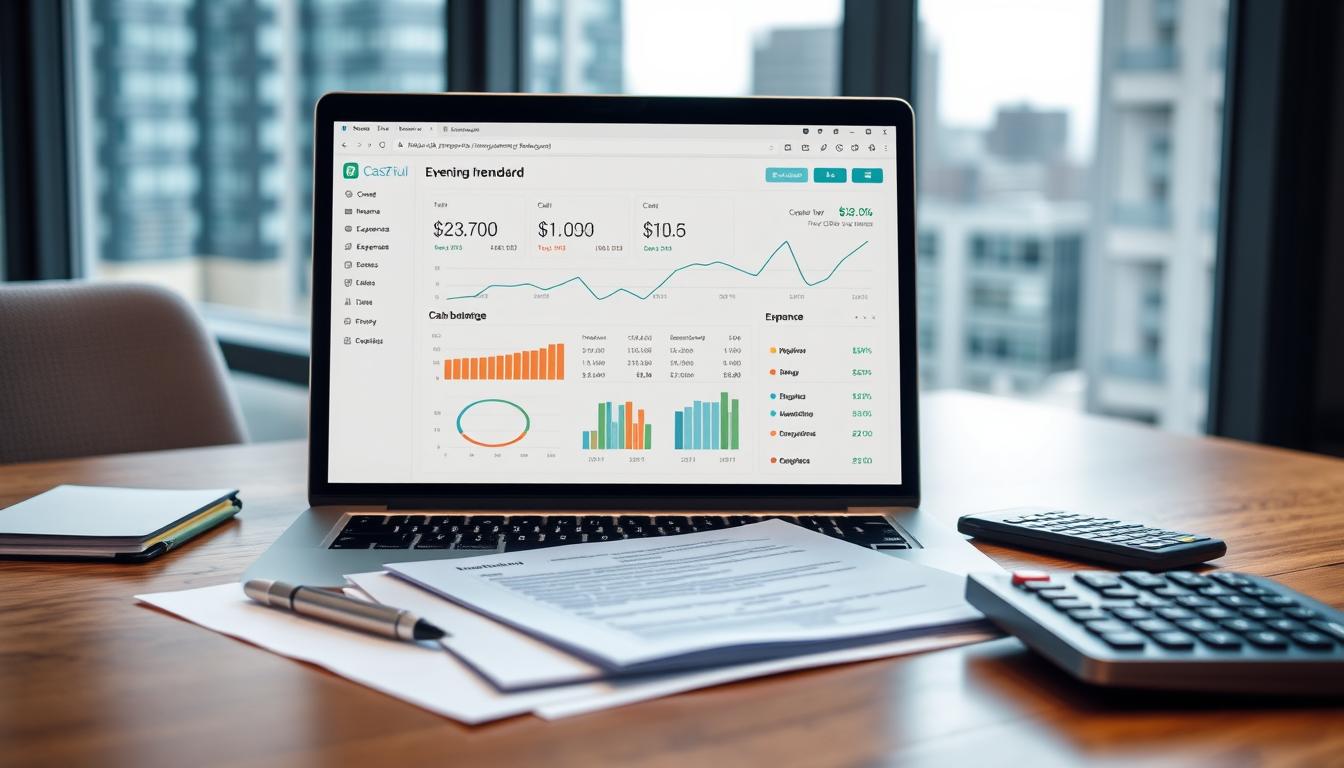
Managing cash flow is key for any business‘s success. It’s what keeps your company running, allowing you to pay bills and invest in growth. It also helps you get through tough financial times.
Good business finance management is more than just watching your income and expenses. It’s about making smart choices that boost profits and keep your business strong.
Mastering cash flow management means your business stays financially healthy. It also sets the stage for growth.
Key Takeaways
- Understand the importance of cash flow for business success
- Learn how to track and manage your business finances effectively
- Make informed decisions to drive profitability and sustainability
- Discover strategies to maintain a healthy cash flow
- Improve your business’s financial resilience and growth prospects
The Vital Role of Cash Flow in Business Success
Cash flow is the heart of any thriving business. It’s the flow of money in and out of a company. It shows how well a business is doing financially.
What Exactly is Cash Flow?
Cash flow is about money moving in and out of a business. It’s split into three main parts: operating, investing, and financing cash flows.
Operating Cash Flow Components
Operating cash flow is about money from customers, to suppliers and employees, and more. Managing these well is key to keeping cash flow positive.
Investing and Financing Cash Flows
Investing cash flow is money spent on assets or received from selling them. Financing cash flow is money from or to investors and lenders. Knowing these helps businesses make smart choices about money.
The Critical Difference Between Cash Flow and Profit
Profit is what’s left after expenses are subtracted from revenue. But cash flow is about the actual money available. A business can be profitable but still struggle with cash flow if money is tied up in things like accounts receivable or inventory.
Why Positive Cash Flow Drives Business Growth
Positive cash flow lets businesses invest, pay off debts, and handle financial ups and downs. It’s the base for growth.
By keeping cash flow healthy, businesses can stay liquid. This lets them grab opportunities and deal with challenges.
Cash Flow Challenges Unique to Brazilian Businesses
Brazilian businesses face unique cash flow challenges. They need special strategies to deal with seasonal changes and currency impacts. These issues can hurt a company’s financial health and ability to operate.
Navigating Seasonal Revenue Fluctuations
Seasonal changes in demand cause cash flow ups and downs. Businesses must plan ahead and adjust their finances to handle these changes.
Managing Currency Exchange Rate Impacts
Changes in currency exchange rates can hurt businesses that trade internationally. Effective hedging strategies can help reduce these risks.
Addressing Brazilian Tax Regulations and Timelines
Brazil’s tax system is complex. It’s important for businesses to understand and follow tax rules.
SIMPLES Nacional Considerations
The SIMPLES Nacional program simplifies taxes for some businesses. It can help ease cash flow problems.
Strategic Tax Payment Planning
Planning tax payments can help manage cash outflows. Efficient tax planning is key to keeping cash flow healthy.
| Challenge | Impact | Strategy |
|---|---|---|
| Seasonal Fluctuations | Cash Flow Volatility | Adjust Operations |
| Currency Exchange | Unpredictable Revenue | Hedging Strategies |
| Tax Regulations | Compliance Burden | SIMPLES Nacional, Strategic Planning |
Essential Tools for Effective Cash Flow Management
Brazilian businesses face complex cash flow challenges. The right tools are crucial for success. They help meet financial needs and support growth.
Cash Flow Statement Templates and Dashboards
Cash flow statement templates make tracking easier. Dashboards offer a visual way to see cash flow in real-time.
Brazilian-Friendly Accounting Software Options
Accounting software for Brazilian businesses simplifies finance management. It often includes updates for exchange rates and tax compliance.
Mobile Applications for On-the-Go Monitoring
Mobile apps let business owners check cash flow anytime. This is key for quick financial decisions.
Cloud-Based Solutions for Team Collaboration
Cloud-based solutions help teams work together by sharing financial data in real-time. A financial expert says, “Cloud accounting is essential for businesses to stay competitive.”
“The right tools can make all the difference in managing cash flow effectively.”
Creating a Reliable Cash Flow Forecast
In the dynamic Brazilian market, a well-crafted cash flow forecast is key for business stability. It helps businesses prepare for future financial challenges. This makes it a vital tool for financial forecasting.
Short-term vs. Long-term Forecasting Methods
Businesses in Brazil face a choice between short-term and long-term cash flow forecasting. Short-term forecasting covers up to 30 days, helping manage immediate financial needs. On the other hand, long-term forecasting looks ahead, often up to a year or more, showing future financial trends.

Key Variables to Include in Your Brazilian Business Forecast
When making a cash flow forecast, several key variables are important. These include:
- Revenue projections
- Fixed and variable expenses
- Accounts receivable and payable
Accounting for Inflation Factors
Inflation can greatly affect cash flow, especially in high-inflation economies like Brazil. It’s crucial to include inflation in forecasts for accuracy.
Seasonal Business Cycle Adjustments
Brazilian businesses often see seasonal changes in revenue. It’s important to adjust forecasts for these changes to keep finances stable.
Regular Updating and Refining Your Projections
A cash flow forecast is not set in stone; it needs regular updates. By refining projections, businesses can handle financial challenges better and make smart decisions.
Proven Strategies to Accelerate Cash Inflows
Keeping a healthy working capital is key. Brazilian businesses can boost their cash flow by using smart strategies.
Optimizing Invoice Timing and Payment Terms
Timing and payment terms are crucial. Send invoices quickly after service delivery. Negotiating better payment terms with clients can also help. For example, offering a discount for early payment can motivate clients to pay faster.
Implementing Effective Collection Procedures
Good collection procedures are essential for timely payments. Use follow-up systems and automation to remind clients about payments. Also, have a clear plan for handling late payments to keep relationships positive while encouraging payment.
Follow-up Systems and Automation
Automating follow-ups saves time. Automated reminders ensure clients know about their payment duties on time.
Handling Late-Paying Clients Diplomatically
When dealing with late payments, stay professional and polite. Clear communication and a willingness to negotiate can solve issues without harming the relationship.
Incentivizing Early Payments with Brazilian-Friendly Discounts
Discounts for early payment can speed up cash inflows. Brazilian businesses can offer discounts that benefit both clients and the company. For instance, a 2% discount for payments within 10 days can be a great incentive.
Smart Techniques to Control Cash Outflows
To keep finances stable, Brazilian businesses need smart ways to handle cash outflows. Good cash management means using several strategies. These help keep cash flow healthy.
Negotiating Favorable Payment Terms with Suppliers
One smart move is to talk to suppliers for better payment terms. This could mean longer to pay or discounts for early payment. For example, asking for a 30-day payment term instead of immediate payment. This lets the business use the cash for other important needs.
Strategic Timing of Major Expenses
Planning big expenses at the right time is key. Businesses should spend big when they have lots of cash coming in. For instance, buying a lot during busy seasons when sales are high.
Prioritizing Payments Based on Business Impact
It’s important to pay bills based on their impact on the business. This means making a list of payments to do first. As Carlos Silva, a financial analyst, notes, “It’s like triage in an emergency room; you tackle the most urgent needs first.”
Creating a Payment Hierarchy System
A payment hierarchy system helps sort expenses by urgency and importance. This ensures key operations keep running. The list might start with essential costs like payroll and rent, then move to less urgent ones.
When to Delay Non-Essential Purchases
Putting off non-essential buys when cash is tight helps save money. Businesses should find spending that can wait without hurting operations. For example, waiting to buy new equipment or marketing can be wise when cash is low.
By using these strategies, Brazilian businesses can manage their cash better. This improves their financial health and helps them stay strong in a tough market.
Building a Cash Reserve for Business Stability
A good cash reserve can save your business from bankruptcy during tough times. It acts as a financial safety net. This way, your business can keep running even when cash is tight.
Determining Your Optimal Cash Buffer Size
Finding the right cash reserve size is key. It depends on your monthly costs, how volatile your industry is, and how sure you are about your income. A common advice is to save enough for 3-6 months of expenses.
Where to Keep Your Cash Reserves in Brazil
In Brazil, there are many ways to manage your cash. High-yield business accounts and short-term investment vehicles are popular picks.
High-Yield Business Accounts
High-yield accounts let you earn interest on your cash. They’re great if you need quick access to your money.
Short-Term Investment Vehicles
Short-term investments, like treasury bills or commercial paper, offer a bit more return than savings accounts. But they’re low-risk.
| Investment Option | Liquidity | Return | Risk Level |
|---|---|---|---|
| High-Yield Savings Account | High | Low-Moderate | Low |
| Treasury Bills | High | Low | Very Low |
| Commercial Paper | Moderate | Moderate | Low |
When to Tap Into Your Cash Reserves
It’s important to know when to use your cash reserves. This could be for unexpected costs, when income drops, or during economic downturns.
By managing your cash reserve well, your business can stay strong and stable, even when things get uncertain.
Leveraging Financial Analysis for Better Cash Flow
Businesses need to use financial analysis to keep their cash flow healthy. It shows how well a company is doing financially. This helps find areas to improve and make smart choices.
Key Cash Flow Ratios Every Business Owner Should Monitor
It’s important to watch key cash flow ratios. Two main ones are:
Operating Cash Flow Ratio
This ratio shows if a company can make cash from its work. A higher ratio means better financial health.
Cash Conversion Cycle
The cash conversion cycle shows how fast a business turns its investments into cash. A shorter cycle is better.
| Cash Flow Ratio | Formula | Interpretation |
|---|---|---|
| Operating Cash Flow Ratio | Operating Cash Flow / Current Liabilities | Higher is better; indicates ability to pay off short-term debt |
| Cash Conversion Cycle | Days Inventory Outstanding + Days Sales Outstanding – Days Payable Outstanding | Lower is better; indicates efficiency in managing working capital |
Identifying Cash Flow Patterns and Trends
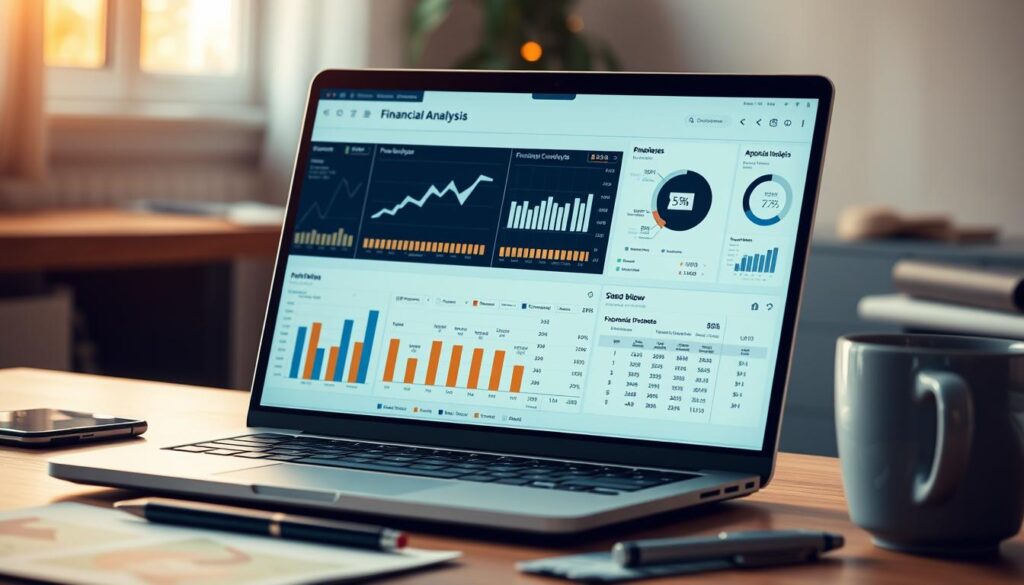
Looking at cash flow patterns and trends helps businesses get ready for financial challenges. By studying past data, companies can spot seasonal changes and adjust.
Using Analysis to Prevent Cash Flow Problems
Financial analysis helps businesses spot cash flow issues early. This way, they can fix problems before they get worse. Companies can change their pricing or manage accounts receivable better.
Alternative Funding Sources to Bridge Cash Flow Gaps
Brazilian businesses often struggle with cash flow. But, there are many funding sources to help. Managing cash flow well is key to keeping operations stable. The right funding can make a big difference.
Short-term Financing Options Available in Brazil
In Brazil, businesses can find short-term financing for urgent needs. These options give quick access to money. They help with unexpected costs or new chances.
Lines of Credit and Working Capital Loans
Lines of credit and working capital loans are common in Brazil. They offer flexibility and can be customized for businesses.
Brazilian Bank Requirements and Terms
Brazilian banks have their own rules for these loans. Knowing these rules is important for smart decisions.
| Bank | Interest Rate | Repayment Terms |
|---|---|---|
| Itaú Unibanco | 10.5% – 12.5% | 6 – 12 months |
| Bradesco | 11% – 13% | 6 – 18 months |
| Santander | 10% – 12% | 3 – 12 months |
Fintech Alternatives for Faster Access
Fintech companies offer fast funding options. They are great for businesses needing money quickly.
Invoice Factoring and Discounting Solutions
Invoice factoring and discounting can also help with cash flow. They let businesses use outstanding invoices for quick funds.
Working Capital Optimization for Healthy Cash Flow
Optimizing working capital is key for a healthy cash flow in Brazilian businesses. Good management of working capital helps companies meet short-term needs and invest in growth. This is essential for success.
Inventory Management Strategies for Brazilian Businesses
Managing inventory well is crucial for working capital optimization. Brazilian businesses can use just-in-time systems and check inventory levels often. This helps cut waste and lower costs.
Accounts Receivable Efficiency Techniques
Improving accounts receivable is vital for cash flow. Offering early payment discounts and using strong collection processes can lower days sales outstanding (DSO). This helps keep cash flowing smoothly.
Accounts Payable Management Best Practices
Managing accounts payable well is also important. Companies can negotiate better payment terms and use digital payments. This optimizes cash outflows.
Supplier Relationship Management
Strong supplier relationships can lead to better payment terms and a more efficient supply chain. This is a big win for businesses.
Digital Payment Solutions
Using digital payments can make accounts payable processes better. It cuts down on costs and improves cash flow management. This is a smart move for businesses.
| Working Capital Component | Optimization Strategy | Benefit |
|---|---|---|
| Inventory | Just-in-Time Systems | Reduced Holding Costs |
| Accounts Receivable | Early Payment Discounts | Improved Cash Flow |
| Accounts Payable | Digital Payment Solutions | Streamlined Processes |
Investment Strategies for Excess Cash
Companies in Brazil need a solid investment plan for their extra cash. Good investment strategies help grow money while keeping risks low.
Short-term Investment Options in the Brazilian Market
In Brazil, businesses have many short-term investment choices. These include:
- Investing in Treasury Direct (Tesouro Direto), a low-risk option backed by the Brazilian government.
- Looking into CDBs (Certificates of Deposit) and other fixed-income options for a balance of risk and return.
Treasury Direct (Tesouro Direto) Opportunities
Treasury Direct lets businesses invest in government bonds. It’s a safe choice with returns tied to inflation or fixed rates. Experts say it’s perfect for low-risk investments.
CDBs and Other Fixed Income Options
CDBs are bank-issued bonds with a fixed return over time. They’re seen as low-risk and good for short-term investments.
Balancing Liquidity and Returns
Any investment strategy must balance liquidity and returns. Businesses need enough cash for daily needs but also want to invest extra funds.
Tax-Efficient Investment Approaches for Brazilian Businesses
Brazilian companies should think about taxes when investing. Some investments might have tax benefits or exemptions, improving returns. “Tax efficiency is key to better investment returns,” say financial advisors.
Conclusion: Mastering Cash Flow for Long-term Success
Effective cash flow management is key to a successful business. By understanding cash flow and using the strategies in this article, Brazilian business owners can grow and stay stable in the long run.
Using the right tools and techniques is crucial. This includes cash flow forecasting, managing accounts, and more. Each part is important for a business’s financial health.
Mastering these areas helps businesses face challenges in Brazil with confidence. It’s about optimizing invoices, negotiating with suppliers, and making smart investments. The right cash flow management can be a game-changer.
Remember, managing cash flow is an ongoing task. Regularly check and improve your strategies to keep your business on track and reach your goals.
FAQ
What is cash flow management, and why is it crucial for businesses?
Cash flow management is about tracking and analyzing cash in and out of a business. It’s key because it helps meet financial needs, invest in growth, and stay stable.
How can businesses in Brazil navigate seasonal revenue fluctuations?
Businesses in Brazil can handle seasonal ups and downs by making a cash flow forecast. They should also keep a cash reserve for slow times and diversify income to not rely too much on seasonal sales.
What are some effective tools for managing cash flow?
Good tools for managing cash flow include cash flow statement templates and accounting software like QuickBooks or SAP. Mobile apps and cloud-based solutions for teamwork are also helpful.
How can businesses determine their optimal cash buffer size?
To find the right cash buffer size, consider monthly expenses, revenue changes, and industry standards. A common rule is to keep 3-6 months’ expenses in reserve.
What are some alternative funding sources for bridging cash flow gaps?
For cash flow gaps, consider short-term loans, lines of credit, and working capital loans. Invoice factoring and fintech options are also good. Look into alternative lenders or investors too.
How can businesses optimize their working capital for healthy cash flow?
To improve working capital, manage inventory well, speed up invoicing, and handle accounts payable smartly. Use just-in-time inventory, quick invoicing, and good payment terms with suppliers.
What are some investment strategies for excess cash?
For extra cash, consider short-term investments like Treasury Direct and fixed income options like CDBs. Balance quick access to money and returns. Think about tax efficiency and diversify to reduce risk.
How can businesses use financial analysis to improve their cash flow management?
Use financial analysis to track cash flow ratios and spot trends. This helps prevent cash flow issues. Look at the operating cash flow ratio and cash conversion cycle.