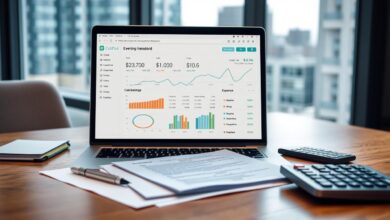
How to Build Business Credit from Scratch


Building a strong credit profile is key for new businesses. It helps them get better loans and grow. A good credit history means you can borrow money at low interest rates. This lets you make smart choices for your business.
To build a solid credit score, you need to know a few important steps. First, understand why credit is so important. Then, use strategies to improve your credit. This article will show you how to start strong, with tips and advice to help you along the way.
Key Takeaways
- Understand the importance of building a strong credit profile for your business.
- Learn the essential steps to create a robust credit history from scratch.
- Discover strategies to strengthen your credit profile and access better financing options.
- Get practical advice on navigating the process of building business credit.
- Find out how to make informed decisions to drive sustainable growth for your company.
What Is Business Credit and Why It Matters
In Brazil, having a solid business credit profile is key for financial growth. Business credit shows if a company can borrow money or get credit based on its financial past. It’s different from personal credit, which is tied to the person, not the business.
Defining Business Credit Profiles
A business credit profile keeps track of a company’s credit history. It includes payment history, credit use, and other financial info. Lenders use this to decide if a business is trustworthy. A good profile can help get loans and credit at better rates.
Business Credit vs. Personal Credit
It’s important to know the difference between business and personal credit. Personal credit is based on a social security number, while business credit is based on a tax ID number. Keeping these separate is vital for credit building strategies.
The Impact on Your Company’s Financial Future
A strong business credit profile can greatly help a company’s financial future. It opens doors to financing, helps grow the business, and improves managing money. Here are some benefits of a good business credit profile:
| Benefits | Description |
|---|---|
| Access to Loans and Credit | Secure financing at favorable interest rates |
| Business Expansion | Enable growth and investment opportunities |
| Improved Cash Flow | Better management of financial resources |
By understanding and managing business credit well, companies in Brazil can grow and stay stable financially.
The Brazilian Business Credit Landscape
To succeed in Brazil, businesses need to understand the local credit system. This includes key credit bureaus and scoring models. The Brazilian business credit landscape has its own rules and regulations. These can greatly affect a company’s financial health and access to small business financing.
Understanding Credit Reporting in Brazil
In Brazil, credit reporting is mainly done by two big credit bureaus: Serasa Experian and SPC Brasil. They gather data on businesses and people. This gives a full picture of their creditworthiness.
Key Credit Bureaus: Serasa Experian and SPC Brasil
Serasa Experian and SPC Brasil are key in Brazil’s credit world. They collect credit data and offer insights and scoring models. These help lenders decide if they should lend to businesses.
Brazilian Credit Scoring Systems
Brazil’s credit scoring systems check if businesses and individuals are creditworthy. They look at payment history, credit use, and public records to give a score.
Knowing these details is key for businesses wanting to improve their credit in Brazil. It helps them get small business financing and other financial chances.
Establishing Your Legal Business Foundation
Creating a strong legal base is key for building business credit in Brazil. This step makes your business its own entity, separate from its owners. It’s crucial for credit management tips and future money matters.
Choosing the Right Business Entity
Picking the right business type is a big decision. It impacts your company’s legal and tax duties. In Brazil, you can choose from MEI, EIRELI, and Limitada.
MEI, EIRELI, or Limitada Options
Each type has its benefits. MEI is great for small businesses with low earnings. Limitada, on the other hand, offers more freedom in who can own the business.
Tax Implications of Each Structure
It’s important to know the tax rules for each type. For example, MEI has simpler taxes. But, Limitada might need more detailed tax planning.
Registering with the Junta Comercial
After picking your business type, register with the Junta Comercial. This makes your business official in the state’s records.
Obtaining Your CNPJ Number
Getting a CNPJ number is also key. It’s for taxes and to open a business bank account. This number is used in all business dealings.
By taking these steps, you lay a solid legal foundation for your business. This opens the door to building credit and managing finances well.
Creating a Professional Business Identity
Building a strong business identity is key. It includes elements that boost your company’s image and improving creditworthiness. A good business identity is essential for winning trust from customers and lenders.
Setting Up a Dedicated Business Address
A dedicated business address shows your company’s presence and trustworthiness. It also keeps your personal and business finances separate. This is vital for building a strong business credit profile. If you’re just starting, think about renting a virtual office or using a mail forwarding service.

Establishing Business Phone Lines
A separate business phone line is crucial for looking professional. It makes sure business calls are answered well and quickly. This boosts your company’s credibility.
Creating Professional Business Email and Website
A professional email and a well-designed website are vital for your business identity. They let you show off your products or services. They also help you talk to clients easily.
Registering in Business Directories
Registering your business in directories makes it more visible and credible. It also helps improving creditworthiness by showing your business is real to lenders.
Separating Personal and Business Finances
In Brazil, it’s key to keep personal and business money separate. This helps you get business loan options. It also builds a strong business credit profile, which is crucial for your company’s financial health.
Opening a Business Bank Account
First, you need to open a business bank account. This is important to keep your personal and business money apart.
Required Documentation for Brazilian Banks
Brazilian banks need certain documents to open a business account. These include:
- Company registration documents
- CNPJ number
- Identification of the legal representative
- Proof of business address
Comparing Business Account Options
It’s important to compare business account options. Look at fees, transaction limits, and online banking features to find the best fit for your company.
Setting Up Business Accounting Systems
Having a good accounting system is essential. It helps you track income, expenses, and taxes. This ensures you follow Brazilian financial rules.
Maintaining Clear Financial Boundaries
To keep your finances healthy, separate personal and business expenses. Check your financial transactions often. This helps avoid mixing personal and business money.
Building Business Credit with Brazilian Vendors
One great way to build business credit in Brazil is to work with vendors who report to major credit bureaus. This method helps create a credit history and strengthens your business’s financial base.
Finding Vendors That Report to Credit Bureaus
To begin building business credit, find vendors who report to Serasa Experian and SPC Brasil. Research potential vendors and see if they report to these bureaus. Look for vendors that offer Net-30 terms, as these are great for building credit.
Establishing Net-30 Accounts
Net-30 accounts let your business buy goods or services and pay in 30 days. Getting these accounts with vendors who report to credit bureaus is key to building your credit. Make sure you understand the terms and conditions before signing up.
Creating and Managing Trade Credit Relationships
Building strong vendor relationships is crucial. Talk regularly and pay on time. Timely payments help your credit score, so managing these relationships well is important.
Ensuring Timely Payments and Reporting
To get the most from trade credit, make sure your vendors report your payments to credit bureaus.
“Consistent, on-time payments are key to improving your business credit score,”
says a financial expert. Always check your credit reports for accuracy and up-to-date info.
By following these steps and keeping a strong vendor relationship, you can build your business credit in Brazil effectively.
Applying for Business Credit Cards Strategically
Starting a new business in Brazil? Getting a business credit card can help with financial growth. These cards are great for managing money and earning rewards. They can also help build a strong credit profile for your business.
Top Business Credit Cards for New Brazilian Companies
There are many business credit cards for new Brazilian companies. They offer good rates and rewards. Look at cards from Itaú and Bradesco for your business. Think about fees, interest, and rewards to find the best fit.
Application Requirements and Strategies
To apply for a business credit card, you’ll need your business details and financial info. A strong business profile and good personal credit can help. Knowing your finances well is key.
Building Credit History Through Regular Use
Use your business credit card for business expenses and pay off the balance each month. This shows lenders you can handle credit well.
Payment Practices That Boost Your Score
Make payments on time to keep your credit score up. Automatic payments or reminders can help. Also, keep your credit use low and avoid bad marks on your report.
Accessing Small Business Loans in Brazil
For entrepreneurs in Brazil, knowing about small business loans is key. The right financing can change a business’s game. It helps with growth, improving cash flow, or keeping operations stable.
There are many ways for small businesses in Brazil to get loans. You can look at government-backed financing, traditional bank loans, microfinance, or alternative lending. Each has its own good points and rules.

BNDES Financing Options
The Brazilian Development Bank (BNDES) has great financing for businesses. BNDES financing has low interest rates and flexible payback plans. It’s a good choice for businesses that qualify.
Microfinance Opportunities
Microfinance groups are another way for small businesses to get money. They give out smaller loans and are more flexible than banks. This makes them great for startups or businesses with little credit history.
Traditional Bank Loan Requirements
Traditional banks in Brazil have many loan options for small businesses. To get a loan, you need a solid financial history, a clear plan, and enough collateral. Knowing what each bank wants is important for a good loan application.
Alternative Lending Sources
Alternative lenders are also a big deal for small businesses. They use tech to give out money fast, but might charge more interest. It’s important to check the loan terms carefully.
By looking into these loan options, small businesses in Brazil can make smart choices. This helps them grow and stay stable.
Monitoring and Managing Your Business Credit
To keep your finances in good shape, it’s key to watch and manage your business credit. This means taking a few important steps. These steps help keep your company’s finances stable and ready for credit when you need it.
How to Check Your Business Credit Reports
Checking your business credit reports is a must. In Brazil, you can get your reports from big credit bureaus like Serasa Experian and SPC Brasil. Looking at these reports often lets you spot mistakes or bad marks that might hurt your score.
Understanding Your Credit Score Components
Your business credit score is based on a few things. These include how you pay bills, how much credit you use, and how long you’ve had credit. Knowing these parts helps you decide wisely to boost your score over time.
| Credit Score Component | Weightage | Description |
|---|---|---|
| Payment History | 40% | Record of on-time payments |
| Credit Utilization | 30% | Ratio of used credit to available credit |
| Age of Credit Accounts | 15% | Length of time credit accounts have been open |
Disputing Errors on Your Credit Report
If you spot mistakes on your report, act fast to dispute them. Reach out to the credit bureau and send proof of your claim. Fixing these problems can raise your score.
Setting Up Regular Monitoring Systems
To keep your credit in check, set up regular checks. This can include automatic alerts from credit bureaus and regular report reviews. By keeping an eye on your credit, you can tackle any problems quickly.
Common Business Credit Mistakes to Avoid
Businesses in Brazil need to know how to improving creditworthiness. A good business credit score helps get better loans and lower interest rates. It also makes your finances more flexible.
Mixing Personal and Business Expenses
One big mistake is mixing personal and business money. This makes it hard to show your business’s financial health. To fix this, use separate bank accounts and business credit cards for work expenses.
Missing Payment Deadlines
Missing payment deadlines hurts your credit score a lot. Late payments can stay on your report for years. This makes it tough to get credit later. Use reminders or automate payments to stay on time.
Applying for Too Much Credit Too Quickly
Applying for many credit lines at once is bad for your score. It looks like you’re taking on too much risk. Apply for credit wisely and space out your applications if you need to.
Failing to Build Diverse Credit References
Having different types of credit, like loans and credit cards, strengthens your score. Make sure to report your credit activities to the big credit bureaus. This builds a strong credit history.
Advanced Strategies for Strengthening Business Credit
To boost your business’s financial health, try advanced strategies for better business credit. These methods can greatly improve your company’s financial standing. This opens doors to more growth and opportunities.
Leveraging Supplier Relationships
It’s key to build strong ties with suppliers to boost your business credit. Set up net-30 accounts with vendors who report to credit bureaus. This helps create a good credit history. Always pay on time to keep a good relationship with your suppliers.
Strategic Debt Management
Managing debt well is crucial for a healthy business credit score. This means carefully managing your debt-to-income ratio and choosing when to take on new debt. This shows lenders you can handle credit wisely.
Scaling Credit Limits Responsibly
As your business grows, so should your credit limits. But, it’s important to increase these limits responsibly. Make sure you’re not overextending your credit. Check your credit reports often to keep an eye on your limits and adjust when needed.
Building International Credit Relationships
For businesses aiming to grow globally, building international credit ties is helpful. This means getting credit from international suppliers and lenders. It can lead to more business loan options and financial chances.
By using these advanced strategies, businesses can improve their credit score. This boosts their financial stability and growth chances.
Conclusion
Building a strong business credit profile is key for companies in Brazil wanting to grow. By following the steps in this article, businesses can lay a solid financial foundation.
A good credit score opens doors to more financial opportunities. It helps companies get better loan terms, bigger credit limits, and more favorable financing. This can lead to business growth, better cash flow, and increased competitiveness.
To keep a healthy credit score, businesses must stay vigilant. This includes checking credit reports often, paying bills on time, and managing debt wisely. By doing this, companies can secure their financial future.
In Brazil’s changing business scene, companies with strong credit will thrive. They’ll be ready to seize new chances and keep growing financially.
FAQ
What is business credit, and why is it important for my company?
Business credit is about a company’s ability to borrow money or get credit. It’s based on its financial history and reputation. It helps get loans, credit cards, and other financing at good rates. This affects your company’s future and growth.
How do I establish a business credit profile from scratch?
Start by setting up a legal business foundation. Create a professional business identity. Keep personal and business finances separate. Build credit with vendors and credit cards.
Regularly check and manage your credit. This is key.
What are the key credit bureaus in Brazil, and how do they impact my business credit?
In Brazil, Serasa Experian and SPC Brasil are key credit bureaus. They report on your credit. Knowing their scoring systems helps manage your business credit well.
How can I improve my business credit score?
Improve your score by making timely payments. Have a mix of credit references. Manage your debt wisely.
Check your credit reports often. Dispute any errors you find.
What are the most common business credit mistakes to avoid?
Avoid mixing personal and business expenses. Don’t miss payment deadlines. Don’t apply for too much credit at once.
Don’t fail to build diverse credit references. Knowing these mistakes helps protect your credit.
How can I access small business loans in Brazil?
Brazil has many loan options. There’s BNDES financing, microfinance, traditional bank loans, and alternative lending. Know the requirements and benefits of each to find the right financing.
What are some advanced strategies for strengthening my business credit?
Use supplier relationships to your advantage. Manage debt wisely. Scale credit limits responsibly. Explore international credit opportunities.
These strategies can elevate your credit profile and open new opportunities.
How often should I check my business credit reports?
It’s important to check your business credit reports often. Do it at least every three months. This ensures accuracy and catches any issues early.