10 Simple Ways to Save Money Every Month

Managing your personal finance is key in today’s world. With smart strategies, you can save a lot. It’s all about making the right moves.
Using effective budgeting and simple habits can save you money each month. You might want to build an emergency fund, pay off debt, or just feel more secure financially. There are many ways to reach your goals.
By adding these easy steps to your daily life, you’ll get closer to financial stability. Our guide shows you 10 easy ways to start saving.
Key Takeaways
- Simple strategies for effective monthly savings
- Budgeting techniques to manage your expenses
- Practical ways to reduce unnecessary spending
- Methods to boost your savings over time
- Tips for maintaining financial discipline
Why Monthly Saving Habits Matter for Your Financial Future
Starting a monthly savings habit can greatly improve your financial health. By setting aside a part of your income each month, you create a safety net. This also helps you develop a disciplined approach to financial planning.
The Compounding Effect of Regular Savings
Regular savings can grow thanks to the compounding effect. This means the interest on your savings earns more interest over time. This can greatly increase your savings goals, helping you reach your financial targets faster.
Setting Achievable Financial Goals in Brazil’s Economic Climate
In Brazil’s changing economic scene, setting realistic financial goals is key. Understanding the local economy and adjusting your money saving ideas can help. This way, you can create a savings plan that fits you.
Short-term vs. Long-term Savings Targets
It’s important to know the difference between short-term and long-term savings goals. Short-term goals might be saving for a vacation or an emergency fund. Long-term goals could be retirement planning or buying a home. By categorizing your goals, you can find the best money saving ideas for each one.
By starting a monthly savings habit and using smart financial planning strategies, you can steadily move towards your savings goals.
Create and Stick to a Monthly Budget
Budgeting is more than just cutting costs. It’s about planning your money, especially in Brazil’s economy. By making a monthly budget, you can manage your money better, feel less stressed, and reach your financial goals.
Digital Budgeting Tools Popular in Brazil
In Brazil, many digital tools help with budgeting. Guiabolso and Organizze are easy to use. They track your spending, income, and savings goals. These tools also show how you spend your money, helping you find ways to save more.
Implementing the 50/30/20 Rule in Brazilian Currency
The 50/30/20 rule is simple. It says to spend 50% on needs, 30% on wants, and 20% on saving and debt. For every R$1000 you earn, spend R$500 on needs, R$300 on wants, and R$200 on saving and debt.
Adjusting Your Budget During Inflation Periods
Inflation can make your money worth less in Brazil. It’s important to check and change your budget often. You might need to spend less on wants or find cheaper ways for needs.
As a financial expert,
“The key to successful budgeting is not just in the numbers, but in understanding your financial behavior and being adaptable.”
This advice is very important in Brazil’s changing economy.
Practical Saving Tips for Cutting Down on Subscription Services
In today’s digital world, it’s easy to get many subscription services. But, managing them is crucial for saving money. Many people in Brazil have services they don’t use much, wasting money.

Auditing Your Digital Subscriptions
First, make a list of all your subscription services. This includes streaming, software, and memberships. Then, see which ones you really use. Cancel the ones you don’t.
Free Alternatives to Paid Services in Brazil
Look for free options in Brazil. For example, instead of paid streaming, try free streaming sites or local libraries. They offer free movies and books.
Sharing Subscription Costs with Family Members
Sharing costs with family or friends is another smart move. Many services let you have multiple profiles or stream at the same time. It’s a way to save money.
Using these money saving ideas can cut down your monthly costs. This helps you manage your budget better.
Reduce Monthly Utility Bills with Simple Household Changes
Making a few simple changes at home can help Brazilian families save money. These steps not only help with frugal living but also support financial planning and savings goals.
Energy-Saving Practices for Brazilian Climate Zones
Brazil’s different climates need specific energy-saving tips. In the tropics, light-colored roofs and solar screens help keep homes cool. In cooler areas, like the south, good insulation and double-glazed windows work best.
Water Conservation Techniques That Lower Bills
Using less water can also cut down on bills. Installing low-flow showerheads and toilets helps a lot. Also, collecting rainwater for things like watering plants is a good idea in many places.
Government Incentives for Energy Efficiency in Brazil
The Brazilian government has programs to help save energy. They offer tax credits for solar panels and rebates for energy-efficient appliances. These programs encourage families to live more sustainably.
| Incentive Program | Description | Benefit |
|---|---|---|
| Solar Panel Installation | Tax credits for households installing solar panels | Up to 30% reduction in energy bills |
| Energy-Efficient Appliances | Rebates for purchasing energy-efficient appliances | Lower energy consumption and costs |
By using these government incentives and saving energy, Brazilian families can save a lot on their bills. This helps with their financial planning and savings goals.
Smart Grocery Shopping Strategies for Brazilian Consumers
Brazilian consumers can save money by smart grocery shopping. It’s key to smart money management and helps save money.
Grocery shopping in Brazil is more than just buying food. It’s about making smart choices that fit budgeting strategies. Shopping at local markets and buying seasonal produce is a good start.
Leveraging Local Markets and Seasonal Produce
Local markets in Brazil offer fresh produce at good prices. Buying seasonal produce is fresh and cheaper. Here are the benefits:
- Lower prices because of abundance
- Support for local farmers
- Less carbon footprint
Meal Planning to Minimize Food Waste
Meal planning is another smart strategy. It helps avoid buying too much and reduces waste. It’s a big part of personal finance and helps control household spending.
Here are some tips for meal planning:
- Plan your meals for the week
- Make a shopping list based on the plan
- Stick to your list while shopping
Brazilian Apps for Grocery Discounts and Promotions
Many Brazilian apps offer discounts and promotions on groceries. These apps can help save money. Some popular ones include:
- Discount alerts on perishable goods
- Digital coupons
- Promotions at local supermarkets
By using these strategies, Brazilian consumers can cut their grocery bills. This improves their personal finance management.
Implement a 24-Hour Rule for Non-Essential Purchases
Using a 24-hour rule for non-essential buys can change your financial life. It stops impulse buying and lets you think if you really need something.
Psychology Behind Impulse Buying
Buying on impulse is often driven by emotions, not need. Knowing why you buy on impulse helps you make better choices. When you want to buy something, your brain gets a dopamine rush. But, this feeling fades fast and can hurt your wallet.
Creating a Wants vs. Needs Assessment System
To use the 24-hour rule well, you must know the difference between wants and needs. Make a system to check your buys. Put your expenses into two groups: must-haves and nice-to-haves. For the nice-to-haves, wait 24 hours before buying. This pause helps you decide if you really need it.
Tracking Avoided Purchases and Savings
Tracking what you don’t buy can motivate you. Keep a log or use an app to record when you resist buying something you don’t need. Seeing how much you save can encourage you to keep using the 24-hour rule.
| Category | Items Avoided | Total Savings |
|---|---|---|
| Clothing | 5 | R$250 |
| Electronics | 2 | R$800 |
| Accessories | 3 | R$150 |
By following the 24-hour rule and tracking your savings, you’ll improve your financial health. You’ll also learn to spend more wisely.
Automate Your Personal Finance for Consistent Monthly Savings
Automating your personal finance is a big step towards saving money every month. By setting up automatic transfers and using banking apps, you can save without thinking about it.
Setting Up Recurring Transfers to High-Yield Accounts
One great way to save is by setting up automatic transfers to high-yield savings accounts. These accounts have higher interest rates than regular savings accounts. This means your savings can grow faster. To start, log in to your online banking, go to the transfer section, and set up a recurring transfer from your checking to your high-yield savings.
Brazilian Banking Apps with Automation Features
Many Brazilian banking apps have features to help you save money. Apps like Nubank and Itau let you set up automatic transfers based on your income or savings goals. They also have features like rounding up purchases to save more.
Creating an Emergency Fund Through Automation
Having an emergency fund is key for financial stability. Automating your savings helps you contribute to your emergency fund regularly. Set up a separate account for emergencies and automate monthly transfers. Aim to save 3-6 months’ worth of expenses.
| Banking App | Automation Features | High-Yield Savings |
|---|---|---|
| Nubank | Automatic transfers, round-up purchases | Yes |
| Itau | Automatic transfers, savings goals | Yes |
| Bradesco | Automatic transfers | No |
By automating your personal finance, you can make saving a regular habit. This leads to a more stable financial future.
Reduce Transportation Costs in Brazilian Cities
Traveling in Brazilian cities can be affordable with smart choices. Look into other ways to move around instead of owning a car. This can greatly lower your monthly bills.
Maximizing Public Transit Benefits and Discounts
Public transport is a cheap and easy way to travel in Brazilian cities. Many places offer special passes for regular users, students, and seniors. Using these discounts can save you a lot of money. For example, a monthly pass is often cheaper than daily tickets.
Ridesharing and Carpooling Options in Urban Areas
Ridesharing and carpooling are great for saving money and helping the environment. Brazilian cities have special lanes and apps for carpooling. This way, you share the fuel cost and reduce car wear.
Calculating the True Cost of Car Ownership vs. Alternatives
It’s important to think about the real cost of owning a car. This includes fuel, maintenance, parking, and insurance. Compare these costs to public transport, ridesharing, or carpooling. You might find big savings by choosing other options.
By choosing these smart ways to travel, you support frugal living and a greener city.
DIY and Repair Instead of Replace: A Frugal Approach
In Brazil, learning to fix things instead of buying new can save a lot of money. This DIY approach not only cuts costs but also boosts your creativity and self-sufficiency.
Basic Home Maintenance Skills That Save Thousands
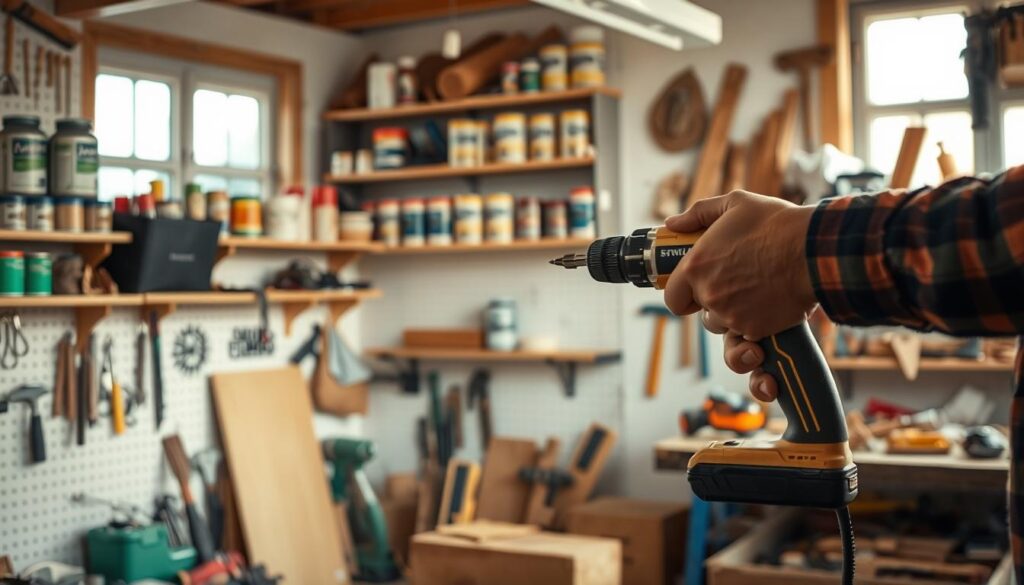
Learning basic home repair skills can cut down on expenses. Simple tasks like fixing leaks, painting, and minor electrical work can save a lot of money each year. These skills are not just cheap but also give you control over your home.
Brazilian Resources for Learning Repair Skills
Brazilians have many resources to learn DIY repair skills. Online platforms, community workshops, and YouTube tutorials are great places to start. Websites like YouTube and forums like Reddit’s r/DIY have lots of helpful information. Local hardware stores also offer workshops and tips for common repairs.
When to DIY and When to Call a Professional
DIY repairs are great for saving money, but know when to call a pro. Complex electrical work, plumbing issues, and structural repairs need experts. It’s important to know your limits to avoid expensive mistakes.
By choosing DIY repairs and knowing when to get help, you can improve your financial wellness through frugal living. This not only saves money but also helps the environment.
Maximize Cashback and Rewards Programs Available in Brazil
To save more, it’s key to use the best cashback and rewards in Brazil. There are many options out there. Learning how to get the most from these programs can really help you manage your money better.
Top Brazilian Credit Card Reward Programs
Brazil has many credit card reward programs that can really help. Some of the best include:
- Nubank’s rewards program, known for its simplicity and cashback benefits.
- Itaú’s credit card rewards, offering points for travel, merchandise, and cashback.
- Bradesco’s credit card rewards, with many options like cashback and travel.
Cashback Apps and Loyalty Programs Worth Using
There are also cashback apps and loyalty programs in Brazil. Some favorites are:
- Méliuz: A cashback platform with rewards from many partners.
- MaxMilhas: A loyalty program for miles to use for travel and more.
It’s important to not get into debt when using rewards. Always pay your credit card off each month. This way, you can enjoy rewards without financial trouble. It helps you manage your money better.
Using these programs well saves you money now and helps your finances in the long run. It’s a smart way to save money.
Conclusion: Building Financial Security Through Consistent Saving Habits
Building financial security starts with saving regularly. By using the tips from this article, people can reach their savings goals. It’s all about planning your finances well, cutting down on spending, and using cashback and rewards.
Creating a budget is key to managing your money. It helps you save for the future and stay financially stable. The important thing is to stick to your savings plan and keep checking if it’s working.
In Brazil, following these steps can make your finances stronger. Saving can be easier with automatic transfers, lower bills, or smart shopping. Every little bit helps in reaching your financial dreams.
FAQ
What are some simple ways to save money every month?
Simple ways to save include making a budget, cutting subscriptions, and lowering utility bills. You can also set up automatic savings.
How can I create a monthly budget that works for me?
Start with digital budgeting tools or the 50/30/20 rule. Adjust your budget for inflation. Brazilian banking apps can help automate it.
What is the 24-hour rule for non-essential purchases?
The 24-hour rule means waiting 24 hours before buying non-essentials. It helps you decide if you really need it.
How can I reduce my transportation costs in Brazilian cities?
Use public transit and discounts. Try ridesharing and carpooling. Compare car ownership costs to other options.
What are some energy-saving practices suitable for Brazilian climate zones?
Use energy-efficient appliances and turn off unused electronics. Use natural light and take advantage of energy efficiency incentives in Brazil.
How can I maximize cashback and rewards programs available in Brazil?
Use top credit card programs and cashback apps. Stay debt-free by paying off your balance each month.
What are some smart grocery shopping strategies for Brazilian consumers?
Shop at local markets and use seasonal produce. Plan meals to avoid waste. Use apps for discounts and promotions.
How can I automate my personal finance for consistent monthly savings?
Set up automatic transfers to high-yield accounts. Use Brazilian banking apps for automation. Create an emergency fund automatically.
What are some basic home maintenance skills that can save me thousands?
Learn to fix plumbing, electrical, and HVAC systems. Find Brazilian resources online to learn these skills.
How can I implement a frugal lifestyle and save money on a monthly basis?
Adopt DIY and repair instead of buying new. Reduce waste and avoid impulse buys. Mindful spending leads to savings and financial goals.